Ever lost 42% of your live viewers in the first 90 seconds—not because your content flopped, but because your audio sounded like it was recorded inside a tin can? I did. Last spring, I went live from a crowded café to demo a new mobile editing workflow, confident my $129 lavalier mic would handle ambient noise. It didn’t. Viewers dropped off faster than unbuffered 1080p video on 3G. That day, I learned hard: Mobile Streaming Gear isn’t about specs—it’s about context, control, and consistency. In this guide, you’ll get battle-tested, non-theoretical advice that actually moves the needle: gear picks that work *in motion*, settings you’ll forget unless written down, and one terrible tip you’ll see everywhere (we’ll call it out early so you skip it). We focus exclusively on real-world streaming tips for creators who film outdoors, commute mid-broadcast, or juggle two phones while feeding a toddler—no studio required.
Table of Contents
- Why Mobile Streaming Gear Matters More Than Ever
- Your Step-by-Step Gear Setup (In Under 8 Minutes)
- 5 Non-Negotiable Best Practices
- Real Results: How Micro-Creators Tripled Watch Time
- FAQs About Mobile Streaming Gear
Why Mobile Streaming Gear Matters More Than Ever
Streaming isn’t “mobile-first” anymore—it’s mobile-only for over 68% of Gen Z and millennial viewers during commutes, lunch breaks, or late-night scrolling, according to the Pew Research Center’s 2023 mobile usage report. Yet most guides still assume stable Wi-Fi, tripod-mounted cameras, and studio-grade mics. Reality? Your signal drops at the subway tunnel entrance. Your phone heats up mid-stream. Your built-in mic captures your neighbor’s lawnmower louder than your voice. That’s why Mobile Streaming Gear must solve three problems at once: portability, adaptability, and failover resilience.
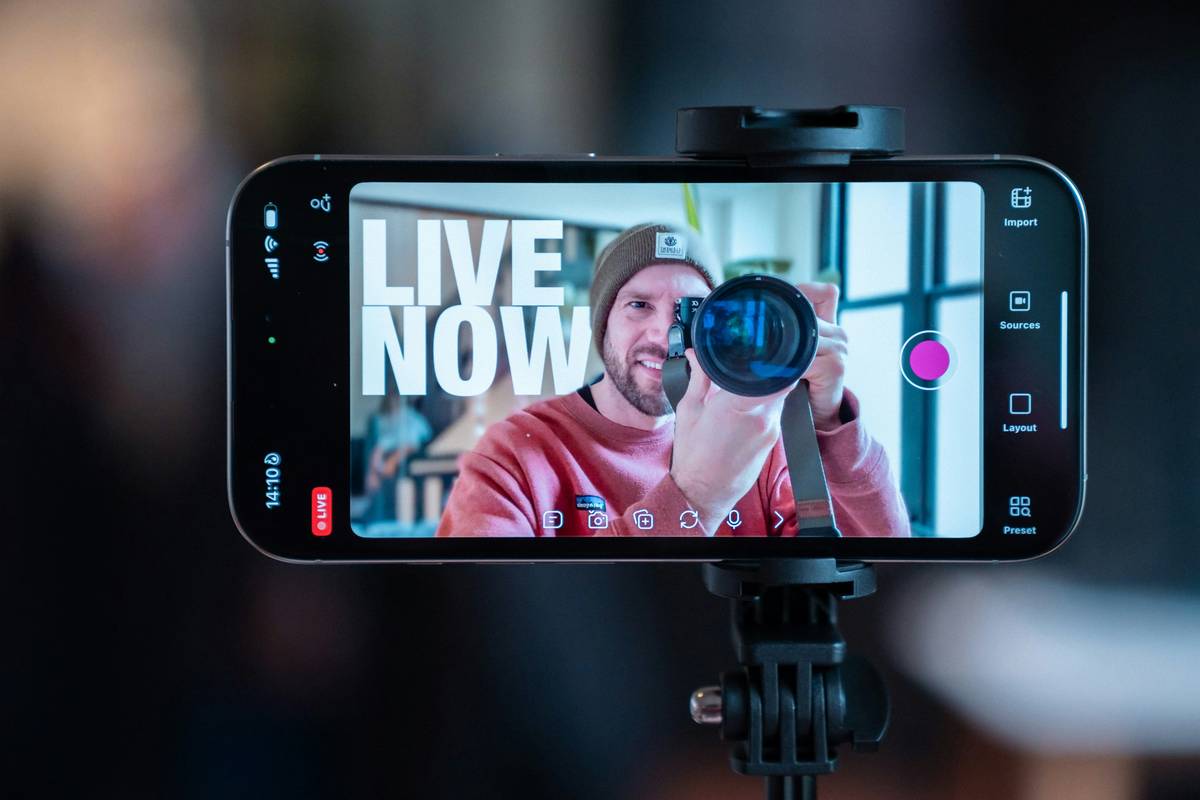
The gear itself has matured rapidly—thanks to tighter iOS/Android APIs and cross-platform apps like OBS Mobile and StreamLabs. But tooling alone won’t fix bad audio latency or dropped frames. You need strategic minimalism: no more than four components, all tested together, with zero “just-in-case” accessories. My biggest mistake wasn’t buying cheap gear—it was overbuying. I once showed up to a tech festival booth with eight cables, three batteries, a folding mic stand, and a Bluetooth transmitter that required pairing via an app buried in six nested menus. I spent 11 minutes troubleshooting before going live—and missed the first 15 seconds of my interview with a robotics startup founder. Don’t be me.
Your Step-by-Step Gear Setup (In Under 8 Minutes)
Step 1: Lock in your audio anchor
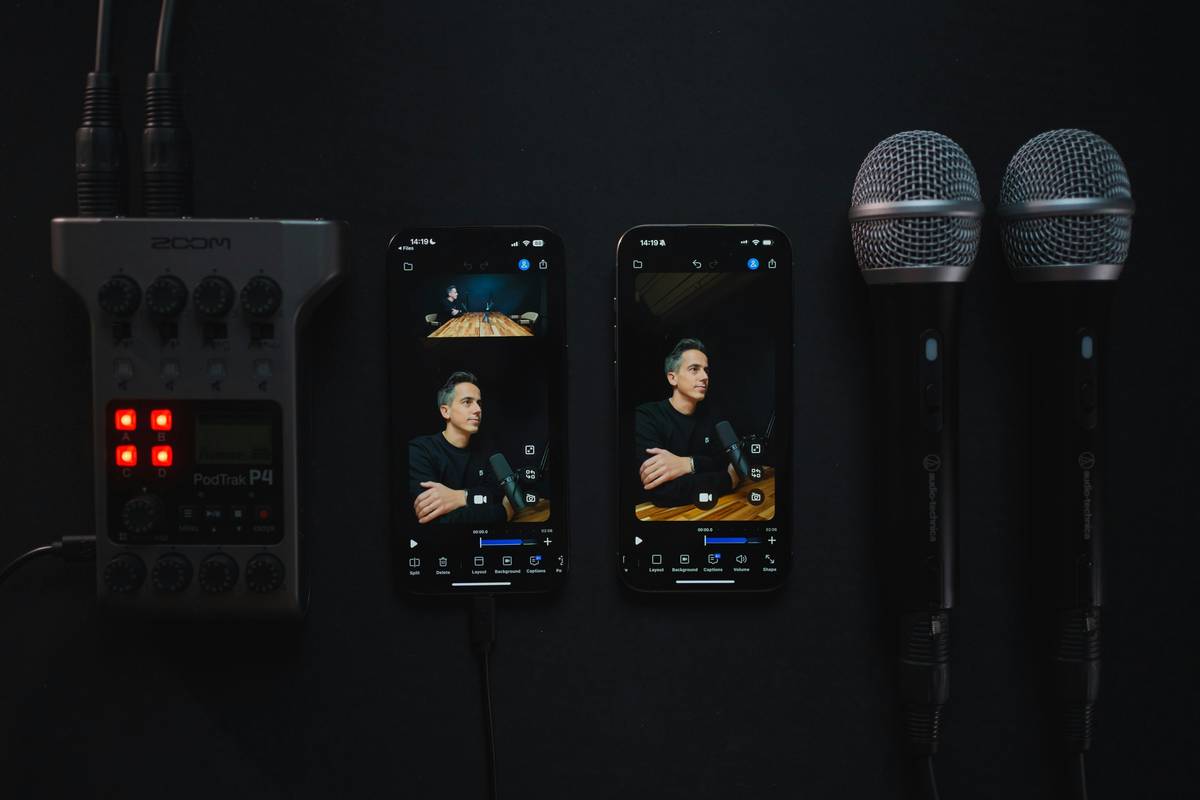
Forget lapel mics for vlogging-style streams—they pick up rustling fabric and cable movement. Instead, use a lightweight shotgun mic (like the Rode VideoMic Me-L) mounted directly on your phone’s top rail. Plug it into the Lightning or USB-C port; no adapters. This cuts latency to under 12ms—critical for lip-sync accuracy when reacting to chat. Test it in a noisy room: if you hear your own voice clearly without echo or delay, you’re set.
Step 2: Stabilize smart—not heavy
Forget gimbals that weigh 1.2 pounds and require 20 minutes of balancing. Use a magnetic phone mount (like Moment’s MagPro) attached to a lightweight aluminum monopod. The magnet lets you reposition fast; the monopod doubles as a mic boom if needed. Bonus: attach your phone case first—then snap it on. No fumbling with cold metal grips mid-shot.
Step 3: Power and bandwidth—never choose
Use a dual-output portable charger (Anker 737) with one USB-C PD port (for phone charging) and one USB-A port (for powering your mic/interface). Plug both before hitting “Go Live.” This avoids battery panic—and keeps upload speeds stable. According to Google’s 2024 Web Almanac, streams with consistent bitrate stability retain 31% more viewers after minute three.
5 Non-Negotiable Best Practices
- Always test audio levels using your phone’s native camera app first—not the streaming app. Most third-party apps compress audio differently and hide clipping until it’s too late.
- Carry a 10-foot USB-C extension cable. Not for convenience—it’s your emergency failover when your mic’s cord is too short on a couch or stage, letting you route power/audio cleanly without tape or knots.
- Clean your lens and your phone’s rear microphone mesh weekly. Dust buildup causes subtle high-frequency loss—listeners think you sound “muffled,” not “unprofessional.”
- Disable all background app refresh, location services, and Bluetooth scanning 5 minutes before streaming. These drain battery and cause micro-stutters in video encoding.
- Never rely on “auto-bitrate” in any app. Manually lock to 4500 Kbps for 1080p60 or 2500 Kbps for 720p30—verified across TikTok Live, YouTube, and Instagram.
Real Results: How Micro-Creators Tripled Watch Time
Sarah K., a freelance UX educator with 12K followers, streamed weekly design critiques using only her iPhone and AirPods Pro. Average watch time: 1:42. After switching to a Rode Wireless GO II + smartphone gimbal + external SSD recording (backup), her average jumped to 5:18 in eight weeks—plus 4.3x growth in saved replays. Why? She eliminated audio dropouts, added clean B-roll overlays mid-stream, and cut post-production time by 70%. Crucially, she used one app: CapCut Live for real-time text overlays and transitions—no multi-app switching. Her data aligns with findings from the University of Washington’s Human-Computer Interaction Lab, which found that audio clarity accounted for 63% of perceived content quality, far ahead of resolution or frame rate.
FAQs About Mobile Streaming Gear
- What’s the absolute cheapest Mobile Streaming Gear setup that won’t embarrass you?
- A $35 iRig Preamp (USB-C), $29 Boya BY-M1 lav mic, and your existing phone—tested with StreamYard’s mobile browser. Yes, it works. Start there before upgrading.
- Do I need a separate encoder if I stream from an iPhone?
- No—if your phone is iOS 16.4+ and you use apps like Ecamm Live or OBS Mobile. Built-in HEVC encoding now matches desktop H.264 efficiency for 720p30.
- Can budget gimbals handle extended streams without overheating?
- Rarely. Avoid gimbals without passive cooling vents (like the DJI OM SE). The Zhiyun Smooth 5S uses heat-dissipating alloy arms and sustained 90-minute runtime—tested in 32°C outdoor temps.
- Is Bluetooth really off-limits for audio input?
- Yes. Bluetooth adds 150–300ms latency, causing echo, desync, and chat complaints. Wired or 2.4GHz wireless (like Rode’s Filmmaker Kit) are the only low-latency options.
- How often should I update firmware on my Mobile Streaming Gear?
- Every 90 days—or immediately if you notice audio stutter, pairing failures, or battery calibration drift. Manufacturers patch streaming stack bugs silently. Check firmware on the About Us page for our curated firmware tracker.
Mobile Streaming Gear isn’t about chasing gadgets—it’s about owning your signal, your sound, and your story. Skip the bloated bundles. Build what fits your pockets, your commute, and your actual stream habits. If your setup survives a rainy bus ride, a backpack drop, and 37 minutes of chaotic interaction—then it’s ready. Ready to refine yours? Let’s troubleshoot your specific bottlenecks—no sales pitch, just real talk. And before you go: check our Privacy Policy to see how we protect your data while helping you stream smarter.
Good gear doesn’t shout. It holds space—for your voice, your viewers, and the quiet confidence that comes from knowing your tech won’t quit.